
iPSCs RNA Silencing Guide
Preserve pluripotency and control differentiation without spontaneous maturation
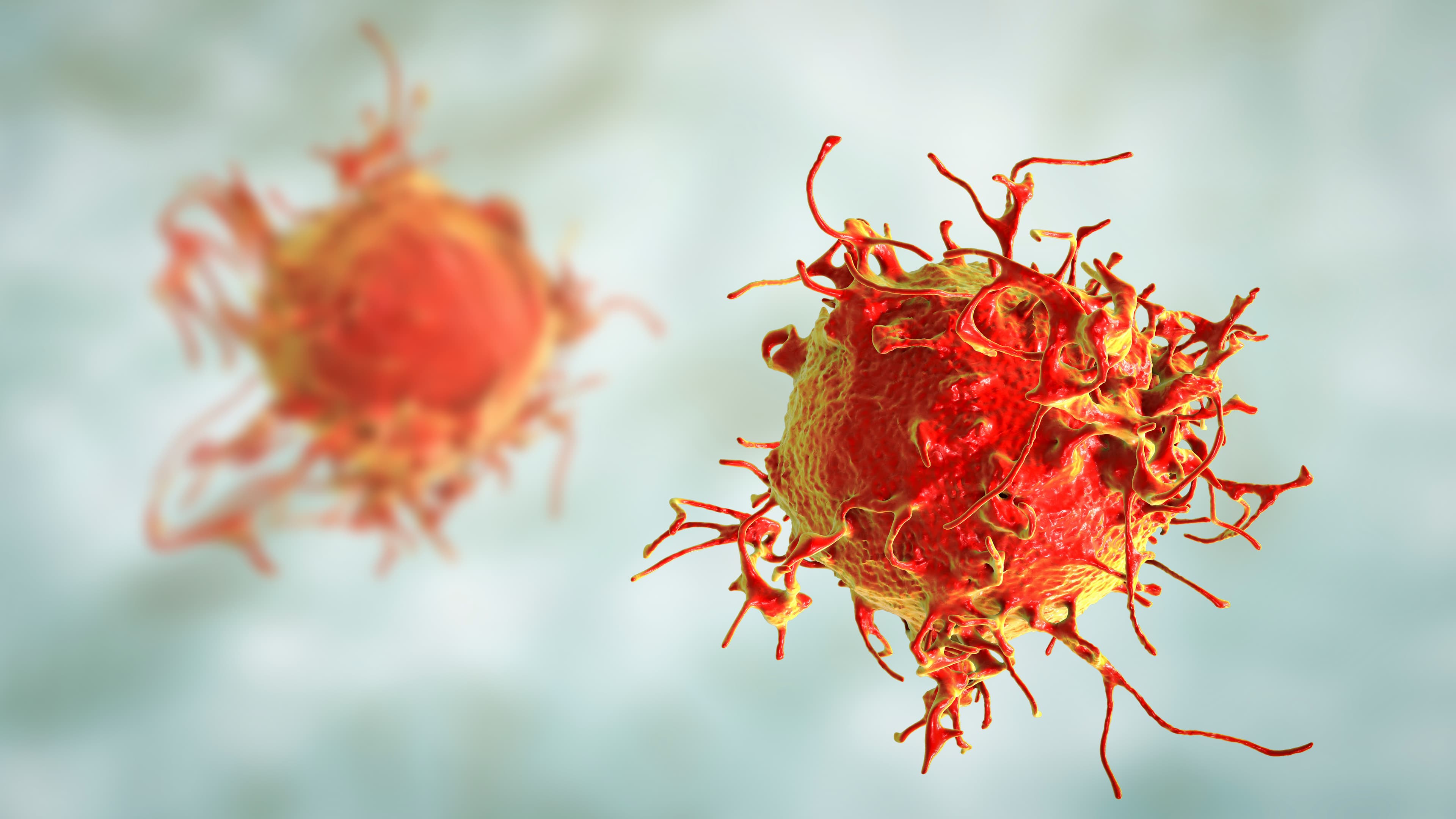
Why iPSCs Are Critical for Disease Modeling and Regenerative Medicine
Induced pluripotent stem cells (iPSCs) are somatic cells (fibroblasts, blood cells) reprogrammed to an embryonic stem cell-like state by forced expression of pluripotency transcription factors: OCT4, SOX2, KLF4, and c-MYC (Yamanaka factors, Nobel Prize 2012). iPSCs exhibit unlimited self-renewal capacity and pluripotency: the ability to differentiate into all three germ layers (ectoderm, mesoderm, endoderm) and thus any cell type in the human body. This makes iPSCs revolutionary for personalized medicine, disease modeling, drug screening, and regenerative therapies.
The core pluripotency network (OCT4, SOX2, and NANOG) forms a self-reinforcing transcriptional circuit that maintains the undifferentiated state while repressing lineage specification genes . iPSCs can be differentiated into specific cell types through staged protocols: neurons (dual SMAD inhibition for neuroectoderm) , cardiomyocytes (WNT activation then inhibition for cardiac mesoderm) , hepatocytes (Activin A for definitive endoderm) , pancreatic β-cells, and more. Patient-specific iPSCs enable modeling genetic diseases in the relevant cell type, including ALS in motor neurons (SOD1, TDP-43 mutations) , Huntington's disease in striatal neurons (HTT CAG expansion) , cardiomyopathies in iPSC-cardiomyocytes (MYBPC3, TTN mutations), and drug screening on patient genetic backgrounds .
The fundamental challenge: transfection triggers spontaneous differentiation, destroying pluripotency. iPSCs maintain pluripotency only under precise culture conditions (defined pluripotency medium, basement membrane matrix, daily media change) . Lipofection achieves 15-25% efficiency in iPSCs with 40-60% cell death, but the critical problem is that cationic lipids trigger differentiation signaling by upregulating mesoderm (T/BRACHYURY), endoderm (GATA6), or ectoderm (PAX6) lineage markers within 24-48 hours while downregulating OCT4, SOX2, NANOG . This spontaneous differentiation destroys pluripotency and creates heterogeneous cultures unsuitable for research or clinical applications.
Electroporation can cause 50-70% cell death (iPSCs are sensitive to single-cell dissociation required for electroporation; loss of E-cadherin junctions induces anoikis) , and surviving cells often show reduced pluripotency marker expression and increased spontaneous differentiation . Colony-based growth makes electroporation especially problematic because it requires complete dissociation, but iPSCs depend on cell-cell contact for survival . Even viral transduction can disrupt pluripotency through insertional mutagenesis or sustained transgene expression .
Self-delivering antisense oligonucleotides: enabling transfection-free gene silencing. Antisense oligonucleotides can achieve cellular uptake, enabling gene silencing without transfection reagents . Following cellular uptake and trafficking, ASOs reach the cytosol and nucleus where target engagement occurs via RNase H1-mediated mRNA degradation .
AUMsilence sdASO technology preserves pluripotency while enabling genetic manipulation. AUMsilence sdASO utilizes advanced chemical modifications that enable such self-delivery. This technology has been validated in challenging primary cell types including regulatory T cells , primary cortical neurons , and immune cells , demonstrating robust gene silencing without transfection reagents across diverse cellular contexts. AUMsilence sdASO has been validated in dopaminergic neuron transdifferentiation studies , confirming its utility in stem cell biology and directed differentiation applications. In iPSC applications, AUMsilence achieves typically 70-90% gene knockdown without triggering differentiation; colonies maintain characteristic morphology (tight, dome-shaped with defined borders), pluripotency markers remain high (OCT4, SOX2, NANOG, SSEA-4, TRA-1-60), and no lineage markers are upregulated. This enables: (1) Pluripotency network dissection (knockdown OCT4, SOX2, NANOG to define minimal maintenance requirements) , (2) Directed differentiation optimization (silence lineage-blocking factors to enhance efficiency; knockdown NOGGIN for mesoderm, SOX1 for endoderm) , (3) Disease modeling with patient iPSCs (allele-specific knockdown of HTT, APP, SOD1 in patient cells differentiated to disease-relevant cell types; iPSC-derived dopaminergic neurons for Parkinson's disease modeling ) , (4) Epigenetic reprogramming studies (DNMT3A/3B, TET1/2/3, EZH2 knockdown to understand somatic-to-pluripotent epigenetic resetting) , and (5) iPSC quality control and safety (silence residual reprogramming factors c-MYC, KLF4 post-reprogramming to reduce teratoma risk) .
Applications span regenerative medicine (iPSC-derived cell therapy products), disease modeling (patient-specific disease-in-a-dish), drug screening (personalized pharmacology), developmental biology (early human development without embryos), and basic stem cell biology (pluripotency mechanisms, epigenetic memory, differentiation trajectories).
Critical Challenges in iPSC Transfection
iPSCs present unique biological barriers that cause conventional transfection to fail or trigger irreversible spontaneous differentiation:
Transfection-Induced Spontaneous Differentiation Destroys Pluripotency
iPSCs maintain pluripotency under precise conditions; any stress can trigger differentiation. Cationic lipids and electroporation may trigger differentiation signaling in sensitive iPSC lines, causing upregulation of lineage markers (GATA4, GATA6, T/Brachyury) within 24-48 hours in some cases. Effect varies by iPSC line, reagent, and culture conditions. When differentiation occurs, downregulation of pluripotency factors (OCT4, SOX2, NANOG expression may decrease 30-50%) is observed. This can create heterogeneous cultures (some cells remain pluripotent, others partially differentiate) unsuitable for research requiring homogeneous populations or clinical applications requiring pure pluripotent cells. Spontaneous differentiation is a documented risk in iPSC transfection, with studies showing percentages of cells losing pluripotency markers post-transfection in affected lines.
High ImpactLow Lipofection Efficiency with High Cell Death
iPSCs typically achieve 15-25% lipofection efficiency with 40-60% cell death within 48 hours based on published studies . iPSCs grow as compact colonies with strong E-cadherin-mediated cell-cell adhesion on basement membrane matrix . Lipoplexes must penetrate these tightly packed colonies, and interior cells receive minimal reagent. Edge cells show higher uptake but also higher death. The 15-25% efficiency is often insufficient for population-level gene silencing studies; can create mosaic colonies (some cells knocked down, others not) that confound interpretation.
High ImpactElectroporation-Induced Anoikis and Colony Disruption
Electroporation requires single-cell dissociation (colonies must be dispersed to single cells for even exposure to electric pulse) . This dissociation disrupts E-cadherin junctions that are critical for iPSC survival; loss of cell-cell contact triggers anoikis (detachment-induced apoptosis), potentially causing 50-70% cell death within 24 hours . Surviving iPSCs often show reduced colony formation efficiency, altered morphology (flattened, spread-out instead of compact domes), and decreased pluripotency marker expression . The remaining colonies may show spontaneous differentiation within 2-3 passages . Electroporation can be fundamentally incompatible with colony-based iPSC biology.
High ImpactColony-Based Growth Complicates Reagent Delivery
iPSCs grow as 3D dome-shaped colonies (100-500 μm diameter, multilayered) on basement membrane matrix-coated surfaces . Cells in colony interior are physically shielded from transfection reagents, which penetrate poorly beyond surface layers (1-2 cell layers deep). This creates gradient knockdown: edge cells may show 30-40% lipofection, interior cells <5%. Researchers often try to dissociate colonies for better reagent access, but dissociation triggers differentiation and anoikis . This creates a dilemma: maintain colony structure (poor transfection) or dissociate (induce death and differentiation).
Medium ImpactFeeder-Free Culture Sensitivity and Matrix Dependence
Modern iPSC culture uses feeder-free systems (basement membrane matrix substrate with defined pluripotency medium) to avoid mouse feeder contamination . iPSCs depend on basement membrane matrix (extract containing laminin, collagen IV, entactin) for survival signals via integrin receptors . Lipofection can damage matrix interactions; cationic lipids may disrupt integrin binding, causing cells to detach and undergo anoikis . Electroporation requires cells to be lifted from matrix, further disrupting these survival signals . After transfection, iPSCs may struggle to re-attach and re-establish colonies, potentially leading to 40-70% loss even in cells that initially survived electroporation.
Medium ImpactViral Integration Risks and Sustained Transgene Expression
Lentiviral and retroviral transduction integrates into the iPSC genome, creating permanent modifications unsuitable for disease modeling (alters patient genetic background) or clinical applications (FDA concerns about insertional mutagenesis). Even Sendai virus (non-integrating RNA virus used for reprogramming) can persist for 10-15 passages in iPSCs, causing sustained transgene expression that confounds experiments. Adeno-associated virus (AAV) shows variable iPSC transduction efficiency depending on serotype (AAV2 <20%; AAV6 and AAV-DJ can achieve >50%) and epichromosomal persistence (weeks to months). For transient gene silencing studies, viral integration is unacceptable; only transient methods like ASOs enable reversible knockdown without genome modification.
High ImpactMethod Comparison
| Method | Efficiency | Viability | Pros | Cons |
|---|---|---|---|---|
| Lipofection (Cationic Lipid Reagents) | 15-25% | 40-60% | Commercially available, moderate efficiency in some lines | Can trigger spontaneous differentiation (GATA6↑, T↑, PAX6↑, OCT4↓), high cell death, poor colony penetration, matrix disruption |
| Electroporation | 30-50% | 30-50% | Higher efficiency than lipofection | Requires single-cell dissociation → anoikis (50-70% death), destroys colony structure, can induce differentiation, survivors often show reduced pluripotency |
| Viral Vectors (Lentivirus, AAV) | 20-60% | 60-80% | Moderate efficiency, stable transduction | Genome integration (lentivirus) unsuitable for disease modeling/clinical use, sustained expression, insertional mutagenesis risk, expensive, 2-4 week production |
| AUMsilence sdASO | Typically 70-90% | Typically >95% | No differentiation artifacts, preserves pluripotency (OCT4/SOX2/NANOG maintained), preserves colony morphology, penetrates colonies, no genome integration, works in feeder-free and feeder cultures, transient knockdown | Transient (ideal for functional studies, not permanent modification) |
AUMsilence sdASO
Why This Product?
AUMsilence self-delivering ASOs are uniquely suited for iPSC research because they preserve pluripotency, the most critical requirement for stem cell biology. Conventional transfection can trigger spontaneous differentiation (lipofection may induce GATA6, T, PAX6 lineage markers while reducing OCT4, SOX2, NANOG), electroporation can cause anoikis and colony disruption, and viral integration alters patient genomic backgrounds. AUMsilence achieves typically 70-90% gene knockdown through gymnotic uptake enabled by advanced chemical modifications without triggering differentiation signaling: colonies maintain dome-shaped morphology, sharp borders, and uniform pluripotency marker expression (SSEA-4+, TRA-1-60+, OCT4+, SOX2+, NANOG+). This enables authentic pluripotency network studies, directed differentiation optimization, patient-specific disease modeling, and epigenetic reprogramming research that can be challenging with lipofection or electroporation.
Key Benefits
Enables Pluripotency Network Dissection
Titrate OCT4, SOX2, NANOG knockdown to define minimal thresholds for pluripotency maintenance. Graded knockdown is impossible with knockout; ASO dose-response reveals functional thresholds.
Directed Differentiation Optimization
Knock down lineage-blocking factors (NOGGIN for mesoderm, DKK1 for endoderm, BMP4 for neuroectoderm) before differentiation protocols. Test temporal requirements without permanent gene loss.
Patient-Specific Disease Modeling
Allele-specific knockdown of disease genes (HTT CAG expansion in Huntington, SOD1 mutations in ALS, APP/PSEN1 in Alzheimer) in patient iPSC-derived disease-relevant cell types (neurons, cardiomyocytes). Preserve patient genetic background.
Epigenetic Reprogramming Studies
Transiently knock down epigenetic modifiers (DNMT3A/3B, TET1/2/3, EZH2, KDM6A) during reprogramming or in established iPSCs. Study stage-specific requirements without permanent modifications.
Post-Reprogramming Quality Control
Silence residual reprogramming transgenes (c-MYC, KLF4 from episomal or Sendai vectors) to reduce teratoma risk. Test if transgene-free iPSCs maintain pluripotency.
Rapid Timeline for Hypothesis Testing
No viral vector cloning, no electroporation optimization. Seed iPSCs (Day -1), add AUMsilence (Day 0-4), validate knockdown and pluripotency (Day 2-4), perform functional assays (Day 4-14). Test gene function in 2 weeks.
Ideal For
- Feeder-free iPSCs (defined medium on basement membrane matrix): clinical-grade, xeno-free systems
- Feeder-based iPSCs (MEF feeders): traditional culture
- Pluripotency network dissection (OCT4, SOX2, NANOG, KLF4, MYC)
- Directed differentiation protocol optimization (lineage-blocking factor knockdown)
- Patient-specific disease modeling (ALS, Huntington, Alzheimer, cardiomyopathies)
- Epigenetic reprogramming studies (DNMT, TET, PRC2, histone modifiers)
- Post-reprogramming safety (c-MYC, KLF4 silencing to reduce teratoma risk)
- iPSC-derived neurons, cardiomyocytes, hepatocytes, pancreatic β-cells
- Embryoid body (EB) differentiation studies
- iPSC genomic stability and quality control
- Naïve vs primed pluripotency studies (2i+LIF vs defined medium)
- Teaching labs and core facilities (robust, reproducible iPSC manipulation)
Alternative Products
AUMsaver toASO
When to use: Not recommended for iPSCs. iPSCs require highest purity and stability; AUMsilence sdASO with full phosphorothioate backbone and chemical modifications is preferred for preserving pluripotency.
Learn More →Custom ASO Design Service
When to use: For allele-specific knockdown (disease modeling: HTT, SOD1, APP, PSEN1 mutations), multi-gene pluripotency panels, or species-specific ASOs for mouse iPSCs. AUM scientists design and validate 3-5 candidates per target.
Learn More →AUMsilence Protocols for iPSCs
Optimized protocols for feeder-free and feeder-based iPSC culture. Preserves pluripotency, colony morphology, and differentiation potential. No transfection reagents required.
Quick Start Protocol (Feeder-Free iPSCs)
- Culture iPSCs on basement membrane matrix in defined pluripotency medium, passage at 80% confluency (EDTA or enzymatic dissociation)
- Add AUMsilence sdASO directly to culture medium at 5 μM (no transfection reagent)
- Incubate 48-96 hours at 37°C, 5% CO₂ with daily medium change (maintain pluripotency)
- Validate knockdown by qRT-PCR (48-72h) and flow cytometry or immunofluorescence (72-96h)
- Verify pluripotency preserved: OCT4+, SOX2+, NANOG+, SSEA-4+, TRA-1-60+ by flow or IF
- Perform functional assays: embryoid body formation (trilineage differentiation), directed differentiation
Cell-Type-Specific Protocols
Essential Controls for iPSC Experiments
Optimization Strategies for iPSC Applications
ASO Concentration
Recommendation: Start with 5 μM for most iPSC lines. Robust lines may work at 3 μM. Sensitive lines may require 3 μM max. Test range: 2-10 μM.
Rationale: iPSCs are sensitive; lower concentrations minimize stress while typically achieving 70-90% knockdown. Higher concentrations (>10 μM) may cause differentiation in some lines.
Treatment Duration
Recommendation: 48-72h for mRNA validation, 72-96h for protein validation. Extend to 96h for long half-life proteins. Do not exceed 96h unless testing long-term effects.
Rationale: Prolonged ASO exposure (>96h) not necessary due to non-dividing nature and accumulation over time. Daily re-dosing maintains levels.
Colony Confluency
Recommendation: Treat at 50-70% confluency. Avoid <30% (stressed, sparse) or >80% (over-confluent, spontaneous differentiation).
Rationale: Actively growing colonies at optimal density show best ASO uptake and maintain pluripotency throughout treatment.
Daily Medium Change with Re-Dosing
Recommendation: Change defined pluripotency medium daily, re-add AUMsilence each time (5 μM fresh). This maintains pH, nutrients, and ASO concentration.
Rationale: iPSCs require daily medium change for health. ASO is stable but diluted by medium replacement; re-dosing maintains knockdown.
Validation Methods for iPSC Knockdown
Comprehensive validation ensures pluripotency preservation and authentic iPSC biology.
Critical Controls for iPSC Validation
Untreated iPSCs
Purpose: Baseline for pluripotency markers, colony morphology, differentiation capacity
Culture identically but without ASO. Compare OCT4/SOX2/NANOG levels, SSEA-4/TRA-1-60 percentage, colony morphology. Should match ASO-treated (non-targeting control) exactly if pluripotency preserved.
Non-Targeting Control ASO
Purpose: Control for non-specific ASO effects on pluripotency
Use AUM non-targeting control at 5 μM with same treatment schedule (daily re-dosing). Measure pluripotency markers; should match untreated. If non-targeting ASO causes differentiation (OCT4/SOX2 reduction, lineage marker upregulation), indicates ASO chemistry issue (not observed with AUMsilence).
Differentiation Positive Control
Purpose: Validate that assays detect loss of pluripotency
Treat parallel iPSC culture with differentiation inducers: BMP4 (50 ng/mL, 24-48h) induces trophectoderm (CDX2+, EOMES+), retinoic acid (1 μM, 48h) induces differentiation and reduces pluripotency. Measure OCT4/SOX2/NANOG (expect reduction), SSEA-4/TRA-1-60 (expect <50% positive), lineage markers (expect upregulation). Confirms assays sensitive to differentiation.
Embryoid Body Formation from ASO-Treated iPSCs
Purpose: Functional validation that pluripotency capacity maintained
Generate EBs from untreated iPSCs, non-targeting control ASO-treated iPSCs, and experimental ASO-treated iPSCs (unless targeting pluripotency factor itself). All three should form EBs and express trilineage markers equally. If experimental ASO iPSCs fail EB formation or show skewed lineage, indicates pluripotency compromise.
Frequently Asked Questions
Ready to Preserve Pluripotency While Manipulating iPSCs?
Discover how AUMsilence enables authentic iPSC studies, disease modeling, and directed differentiation without spontaneous differentiation artifacts. Our scientists have extensive experience with iPSC culture and can help design your experiments.